Iceland is a destination where nature takes centre stage, offering travellers a rare opportunity to witness some of the most extraordinary landscapes on Earth. From powerful waterfalls and enormous glaciers to steaming hot springs, black-sand beaches and volcanoes shaped by centuries of geological activity, this Nordic island promises an adventure unlike any other. Located in the North Atlantic Ocean, Iceland has become one of the world’s most captivating travel destinations, attracting visitors who want to experience dramatic scenery, outdoor exploration and the quiet beauty of life close to nature.
The country’s capital, Reykjavik, provides an inviting introduction to Iceland’s distinctive character. Colourful buildings, lively cafés, independent boutiques and a thriving arts scene give the city a relaxed yet creative atmosphere. Visitors can explore Hallgrímskirkja, the striking church that dominates the skyline, or admire the sweeping views across the city and surrounding mountains from its tower. The Harpa Concert Hall, with its shimmering glass façade overlooking the harbour, is another architectural highlight. Reykjavik also offers a taste of Icelandic culture through its museums, galleries, traditional dishes and welcoming public spaces.
Beyond the capital, Iceland’s landscapes quickly reveal why the country has earned a reputation as one of the most visually spectacular places in the world. The famous Golden Circle route is a popular starting point for exploring the countryside. Travellers can visit Þingvellir National Park, a UNESCO World Heritage Site where the North American and Eurasian tectonic plates gradually move apart. The area combines remarkable geological features with important historical significance, as it was the setting of Iceland’s historic parliament, established in 930.
The route also leads to the Geysir geothermal area, where hot water erupts from the ground and clouds of steam rise above the surrounding landscape. Nearby, Gullfoss waterfall delivers an unforgettable display of natural power as glacial water plunges into a rugged canyon. The combination of geological wonders, open landscapes and dramatic scenery makes the Golden Circle an essential experience for first-time visitors.
Waterfalls are among Iceland’s greatest natural attractions, and the island offers an extraordinary variety of them. Seljalandsfoss is particularly famous because visitors can walk behind its falling curtain of water when conditions and access allow. Skógafoss, meanwhile, creates a powerful wall of water that crashes into the landscape below, often producing rainbows on sunny days. Further north, Goðafoss, known as the Waterfall of the Gods, impresses visitors with its broad, curved cascade and its connection to Icelandic history.
Iceland’s southern coast presents another unforgettable side of the country. Reynisfjara, near the village of Vík, is famous for its black volcanic sand, towering basalt columns and dramatic sea stacks rising from the Atlantic Ocean. The contrast between the dark shoreline, white surf and distant cliffs creates a striking natural spectacle. Visitors should always follow local safety warnings here, as powerful sneaker waves can surge much farther up the beach than expected.
The journey along the south coast also reveals immense glaciers and ice-covered landscapes. Vatnajökull National Park is home to Vatnajökull, one of Europe’s largest glaciers by volume, along with mountains, glacial valleys and spectacular ice formations. One of the region’s best-known sights is Jökulsárlón Glacier Lagoon, where floating icebergs drift slowly across a lake toward the ocean. Nearby Diamond Beach is scattered with pieces of ice that wash onto the black sand, sparkling in the sunlight like fragments of glass. The scenery changes constantly, making every visit a little different.
For travellers seeking a more adventurous experience, Iceland offers opportunities to explore ice caves, hike across selected glacier routes with professional guides and discover volcanic terrain. These activities require careful planning, as weather conditions and natural hazards can change quickly. Guided excursions are particularly important for glacier travel and ice-cave visits, where specialist equipment and local knowledge help make the experience safer.
The island’s volcanic character is equally fascinating. Iceland sits on the Mid-Atlantic Ridge and has extensive geothermal activity, with hot springs, steaming ground and volcanic formations found across the country. The Reykjanes Peninsula, southwest of Reykjavik, has experienced significant volcanic activity in recent years, demonstrating that Iceland’s landscape remains geologically active. Travellers should check official safety advice and current access restrictions before visiting volcanic areas, as eruptions, gas pollution or changing ground conditions can affect travel plans.
One of Iceland’s most relaxing experiences is bathing in naturally heated geothermal water. The Blue Lagoon, surrounded by a rugged lava field, is perhaps the country’s best-known geothermal spa. Its milky-blue water and modern facilities attract visitors looking to unwind after a day of exploration. Other bathing spots, including the Sky Lagoon near Reykjavik and natural hot springs in different regions, offer alternative ways to enjoy Iceland’s geothermal heritage. Some pools are developed for visitors, while remote natural springs may have limited facilities, so travellers should check access and local guidance before setting out.
Northern Iceland offers a different rhythm of travel, with quiet fishing towns, volcanic landscapes and spectacular coastal views. Akureyri, often described as the capital of the north, is a convenient base for discovering the region. Its botanical garden, cafés and colourful streets create a welcoming atmosphere, while nearby Lake Mývatn is known for its unusual lava formations, geothermal fields and rich birdlife. The area feels almost otherworldly, with steaming vents, dark volcanic rock and wide-open horizons.
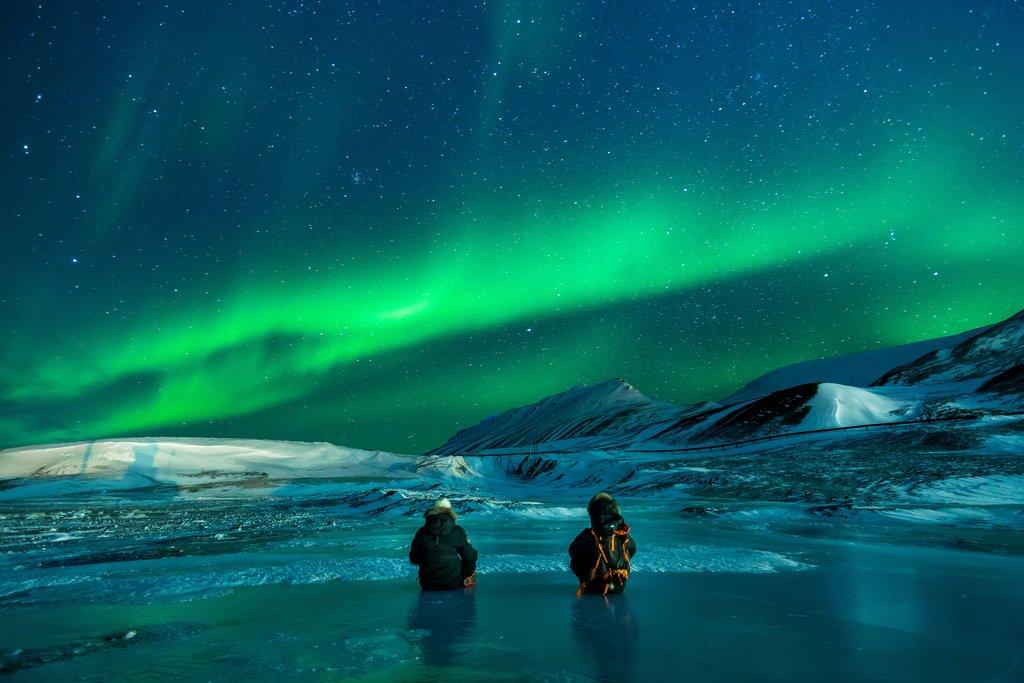
For those dreaming of seeing the Northern Lights, Iceland can provide an unforgettable opportunity during the darker months. The aurora borealis appears when charged particles from the Sun interact with gases in Earth's atmosphere, creating ribbons of green, purple and occasionally red light across the night sky. The viewing season generally runs from late August or September through April, although sightings depend on darkness, cloud cover and solar activity. Travellers improve their chances by staying several nights, travelling away from bright city lights and remaining flexible with their plans. No tour operator or destination can guarantee a sighting, but a clear night beneath the Arctic sky can become one of the most memorable moments of a visit.
Summer offers an entirely different spectacle. Around the longest days of the year, Iceland experiences extended daylight and, in some areas, a midnight-sun effect, allowing travellers to explore well into the evening. Roads open to more remote areas as seasonal conditions permit, hiking becomes more accessible, and the countryside fills with green vegetation and wildflowers. Summer is especially popular for road trips, wildlife watching and excursions into the highlands, although some mountain roads require suitable vehicles and can remain closed until conditions improve.
Wildlife enthusiasts will also find plenty to appreciate. Whale-watching trips operate from several coastal towns, including Reykjavik and Húsavík, where visitors may have opportunities to see minke whales, humpback whales, dolphins and other marine life. Puffins can be spotted at selected coastal locations during the breeding season, generally in the warmer months. As with all wildlife experiences, sightings are never guaranteed, and responsible tours give animals space rather than disturbing their natural behaviour.
Food is another important part of Iceland’s travel experience. Traditional Icelandic cooking reflects the country's climate, fishing heritage and long history of preserving ingredients. Fresh fish, lamb soup, rye bread and skyr, a thick dairy product, are popular choices for visitors. Reykjavik has developed a varied dining scene that ranges from casual food halls and bakeries to contemporary restaurants serving local ingredients in creative ways. Travellers can also discover regional specialities in small towns, where seafood and lamb often feature prominently on menus.
Despite its remote setting, Iceland is well suited to travellers who enjoy independent exploration. Many visitors hire a car and follow the Ring Road, which circles much of the island and connects numerous towns, waterfalls, beaches and national parks. A full journey around the route usually requires at least a week, while a more relaxed trip with time for hikes and detours is better planned over ten days or longer. Those with limited time can focus on Reykjavik, the Golden Circle and the southern coast without attempting to cover the entire country.
Planning a trip requires attention to Iceland’s changeable weather. Conditions can shift rapidly, with strong winds, rain, snow and reduced visibility possible even when the day begins calmly. Visitors should check weather and road reports regularly, pack waterproof layers and sturdy footwear, and avoid driving through closed roads or unsafe conditions. Winter travel can be beautiful but demands extra caution, while summer brings longer daylight hours and generally easier access to many attractions.
Iceland can also be an expensive destination, particularly for accommodation, restaurant meals and organised excursions. Booking popular hotels and activities in advance, travelling outside the busiest periods and preparing some meals independently can help manage costs. However, many of the country’s most remarkable experiences come from simply being outdoors: watching waves roll across a black-sand beach, standing beside a roaring waterfall or admiring mountains reflected in still water.
What makes Iceland truly special is the extraordinary contrast found within a relatively small island. Fire and ice exist side by side, with volcanoes and lava fields shaping the same landscape as glaciers and snow-covered peaks. Modern cities coexist with remote valleys, while geothermal warmth rises from the ground beneath vast open skies. Every region offers a different perspective, whether it is the energy of Reykjavik, the silence of an icy lagoon or the thrill of watching the Northern Lights move across the darkness.
For travellers looking beyond conventional holiday destinations, Iceland offers an experience that feels both adventurous and deeply restorative. It invites visitors to slow down, appreciate the power of nature and discover landscapes that seem almost too remarkable to be real. Whether the goal is to chase the Northern Lights, explore volcanic terrain, soak in geothermal waters or drive along a coastline shaped by the Atlantic, Iceland promises memories that remain long after the journey ends. For anyone planning a remarkable escape into the natural world, this extraordinary island deserves a place near the top of the travel list.