Some destinations capture your attention with their beauty, but others awaken a sense of wonder that stays with you long after you return home. South Africa belongs to the latter. A country of golden beaches, dramatic mountains, sweeping savannahs, vibrant cities and unforgettable sunsets, it offers travellers a remarkable blend of adventure, culture and human connection. Here, the roar of the ocean meets the silence of the wilderness, colourful neighbourhoods tell stories of resilience, and every journey reveals another side of a country filled with character.
Situated at the southern tip of the African continent, South Africa is a destination of extraordinary contrasts. It is home to world-famous wildlife reserves, celebrated wine regions, lively coastal cities, historic townships and landscapes that stretch from rugged mountains to vast open plains. Yet its appeal goes beyond the scenery. The country's many cultures, traditions, languages and communities give it a distinctive identity, inviting visitors to experience a place that is as rich in human stories as it is in natural beauty.
For many travellers, the journey begins in Cape Town, a city that seems almost impossibly beautiful. Set between the Atlantic Ocean and the dramatic slopes of Table Mountain, Cape Town combines spectacular scenery with a relaxed coastal atmosphere. The mountain rises above the city like a natural monument, offering panoramic views across the coastline, harbour and surrounding landscapes. On clear days, the scenery seems to extend endlessly, while the changing light gives the city a different character from morning to evening.
Along the waterfront, visitors can enjoy restaurants, markets, galleries and boat excursions, while nearby beaches provide peaceful places to watch the waves roll onto the shore. The colourful streets of Bo-Kaap, known for their brightly painted houses and rich Cape Malay heritage, offer another perspective on the city's cultural life. A short journey beyond the city leads to the Cape Peninsula, where winding coastal roads reveal rugged cliffs, secluded beaches and dramatic ocean views. At Cape Point, the landscape feels wild and expansive, reminding visitors that some of South Africa's greatest attractions are found where the land meets the sea.
But South Africa's beauty does not belong to its cities alone. Travel inland and the scenery opens into vast landscapes where wildlife moves freely across protected wilderness areas. A safari is one of the country's most memorable experiences, offering the possibility of seeing elephants, lions, leopards, rhinoceroses and buffalo in their natural habitats. Kruger National Park, one of Africa's best-known wildlife destinations, draws visitors from around the world who hope to witness these remarkable animals at close range.
There is something deeply moving about watching an elephant cross a dusty track or seeing a herd of antelope pause beneath the morning sun. Unlike the controlled environment of a zoo, a safari offers a glimpse into a living ecosystem, where every sighting is unpredictable and every moment feels precious. The experience encourages patience, respect and an appreciation for the delicate balance of nature. Choosing responsible safari operators and respecting wildlife guidelines helps protect these extraordinary landscapes for future generations.
Beyond the famous national parks, South Africa's natural world offers countless other discoveries. The Garden Route, stretching along the country's southern coast, is known for its forests, lagoons, beaches and charming coastal towns. Travellers can explore scenic walking trails, enjoy ocean views, visit local markets or simply pause in a seaside café and watch the day unfold. For those who prefer a slower holiday, the region offers a beautiful combination of outdoor exploration and relaxed coastal living.
The country's landscapes change dramatically again in the Drakensberg Mountains, where towering rock formations, green valleys and waterfalls create a paradise for hikers and nature lovers. Further inland, the wide-open spaces of the Karoo offer a quieter experience, with small towns, distinctive scenery and night skies filled with stars. These lesser-known landscapes reveal a side of South Africa that is peaceful, spacious and far removed from the pace of its major cities.
South Africa also has a rich and complex history that gives depth to every visit. In Johannesburg, the country's largest city, contemporary energy exists alongside powerful reminders of the struggle against apartheid. The Apartheid Museum and historic sites connected to Nelson Mandela help visitors understand the difficult journey towards democracy and the people who shaped it. In Soweto, guided visits can introduce travellers to local businesses, cultural traditions and neighbourhood stories that are often missing from conventional sightseeing itineraries.
Cape Town's Robben Island, where Mandela was imprisoned for many years, offers another opportunity to reflect on the country's past. These historical experiences are not always easy, but they are important. They help travellers understand South Africa beyond its landscapes, recognising the courage, sacrifice and continuing efforts involved in building a more equal society.
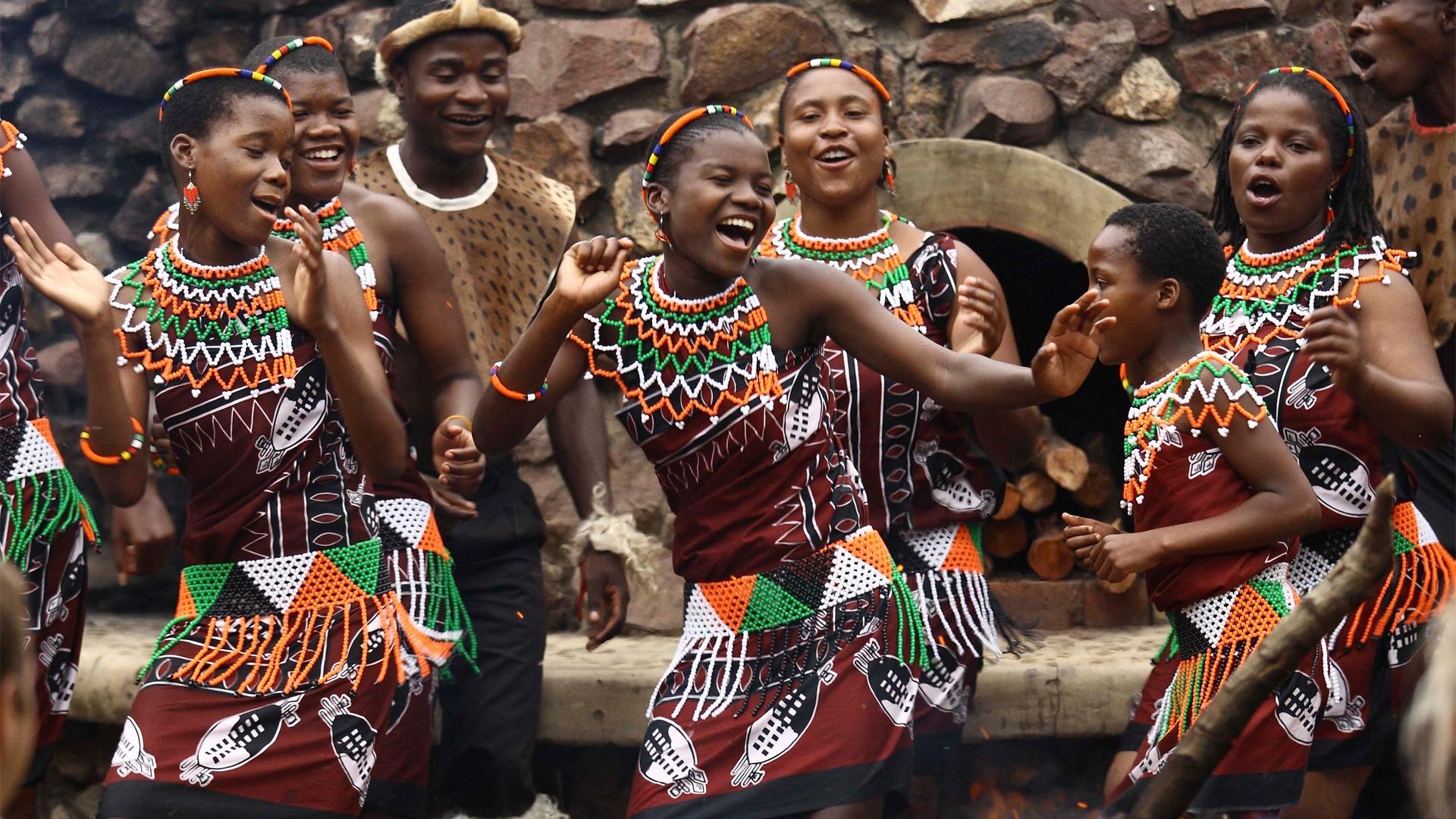
The warmth and diversity of South Africa's people are also central to its appeal. The country is home to many cultural communities, each contributing its own traditions, languages, music, food and celebrations. Conversations with local guides, visits to community-run projects and time spent in neighbourhood markets can bring visitors closer to everyday life. A welcoming conversation over a meal or a recommendation from a local shopkeeper can become a memory as meaningful as any famous landmark.
South African hospitality is often expressed through food, music and the pleasure of gathering together. Visitors can enjoy traditional dishes such as bobotie, explore the country's distinctive braai culture or sample regional specialities in family-run restaurants. In the Cape Winelands, towns such as Stellenbosch and Franschhoek combine scenic vineyards, historic architecture and celebrated dining experiences. Travellers who prefer not to drink alcohol can still enjoy the region's landscapes, food culture, gardens and cultural attractions.
Music and the arts provide another window into the country's identity. From jazz venues and contemporary galleries to local craft markets and live performances, South Africa offers a creative energy shaped by many different influences. Its cultural life reflects both its complicated history and the vitality of communities continuing to express themselves through art, storytelling and celebration.
For travellers seeking something beyond sightseeing, South Africa offers opportunities to connect with nature, discover new perspectives and explore at their own pace. Couples may find romance in coastal sunsets and mountain retreats. Families can combine wildlife experiences with beaches and city attractions. Solo travellers can explore cultural sites, join guided adventures and discover welcoming spaces in established tourism areas. Outdoor enthusiasts can choose from hiking, surfing, cycling and other activities, depending on the region and season.
As with any international destination, thoughtful planning is important. South Africa is a large country, and distances between major attractions can be considerable. Travellers should research transport options, check local safety advice, use reputable tour operators and take sensible precautions in cities and remote areas. Weather conditions also vary between regions, so the ideal itinerary depends on whether the priority is wildlife viewing, coastal relaxation, mountain hiking or cultural exploration.
Responsible travel can help ensure that South Africa's natural and cultural treasures remain protected. Supporting local businesses, respecting community customs, reducing waste and choosing ethical wildlife experiences allow visitors to contribute more meaningfully to the places they explore. The most rewarding journeys are often those that benefit local communities while giving travellers a deeper understanding of the destination.
Perhaps South Africa's greatest strength is its ability to make every day feel different. One morning might begin with the sound of waves along the Cape coast; another could unfold beneath the vast African sky as wildlife moves through the bush. An afternoon might bring a journey through a historic neighbourhood, followed by a meal filled with local flavours and conversation. Few destinations offer such a compelling combination of wilderness, history, culture and coastal beauty within one national border.
South Africa is not simply a place to visit for photographs or famous attractions. It is a country to experience through its landscapes, its stories and the people who bring its communities to life. Its beauty can inspire awe, its history can encourage reflection, and its hospitality can turn unfamiliar surroundings into cherished memories.
When the journey finally comes to an end, travellers may remember the silhouette of Table Mountain at sunset, the sight of elephants crossing the savannah, the sound of music drifting through a lively street or the simple kindness of someone who helped them feel welcome.
These are the moments that make travel meaningful. And in South Africa, where wild beauty meets human warmth, there are countless opportunities to discover them.