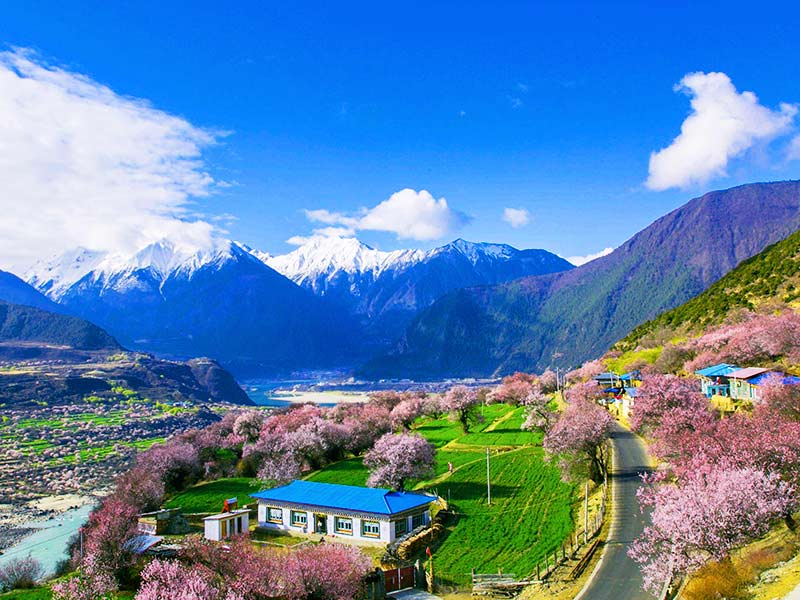
Deep in the mountainous province of Yunnan, southwestern China, lies a destination that remains relatively unknown to international travellers: Nujiang Grand Canyon. Carved by the powerful Nujiang River, also known as the Salween River, this extraordinary landscape offers an adventure into one of China's most dramatic and culturally fascinating regions.
For travellers who dream of escaping crowded cities and discovering places where nature still dominates the landscape, Nujiang is an invitation to explore the extraordinary.
The adventure begins as winding mountain roads lead travellers deeper into the canyon. Towering cliffs rise dramatically on either side, while the turquoise and emerald waters of the Nujiang River rush through the valley below.
Unlike China's famous tourist attractions, where visitor crowds often dominate the experience, this remote region offers a quieter and more immersive encounter with nature.
The journey itself is an adventure. Narrow roads cling to mountainsides, bridges cross powerful rivers, and small settlements appear between steep slopes and forest-covered hills. Every turn reveals another breathtaking view.
Nujiang is a paradise for adventurous travellers who enjoy trekking, photography and exploring remote landscapes. The surrounding mountains offer challenging hiking opportunities, with trails passing through dense forests, traditional villages and spectacular viewpoints.
Some routes follow sections of the historic Tea Horse Road, an ancient trading network that once connected communities across the mountainous regions of southwestern China.
For those seeking a more demanding experience, the surrounding Gaoligong Mountains provide opportunities to explore rich forests, unusual wildlife and remarkable biodiversity. The region is particularly appealing to nature enthusiasts because its ecosystems support an extraordinary variety of plant and animal species.
However, exploring these mountains requires preparation, local guidance and respect for changing weather conditions.
The beauty of Nujiang is not limited to its landscapes. The valley is also home to several ethnic communities, including Nu, Lisu and Dulong people, each with distinctive traditions, architecture, music and cultural practices.
Small villages scattered across the mountains offer visitors a glimpse into lifestyles shaped by centuries of living alongside nature. Travellers can discover traditional houses, local markets and regional food while learning about the cultural heritage of the communities that call this remote valley home.
Nujiang Grand Canyon is not a destination for travellers looking for luxury resorts, shopping streets or predictable sightseeing experiences.
It is for those willing to take the longer road, embrace unexpected challenges and discover landscapes that remain outside the mainstream tourism spotlight.
As adventure tourism continues to grow, places like Nujiang remind us that some of the world's most extraordinary journeys begin far away from familiar tourist routes.
In China's hidden mountain wilderness, the greatest reward may not be reaching the destination, but experiencing the adventure of getting there.