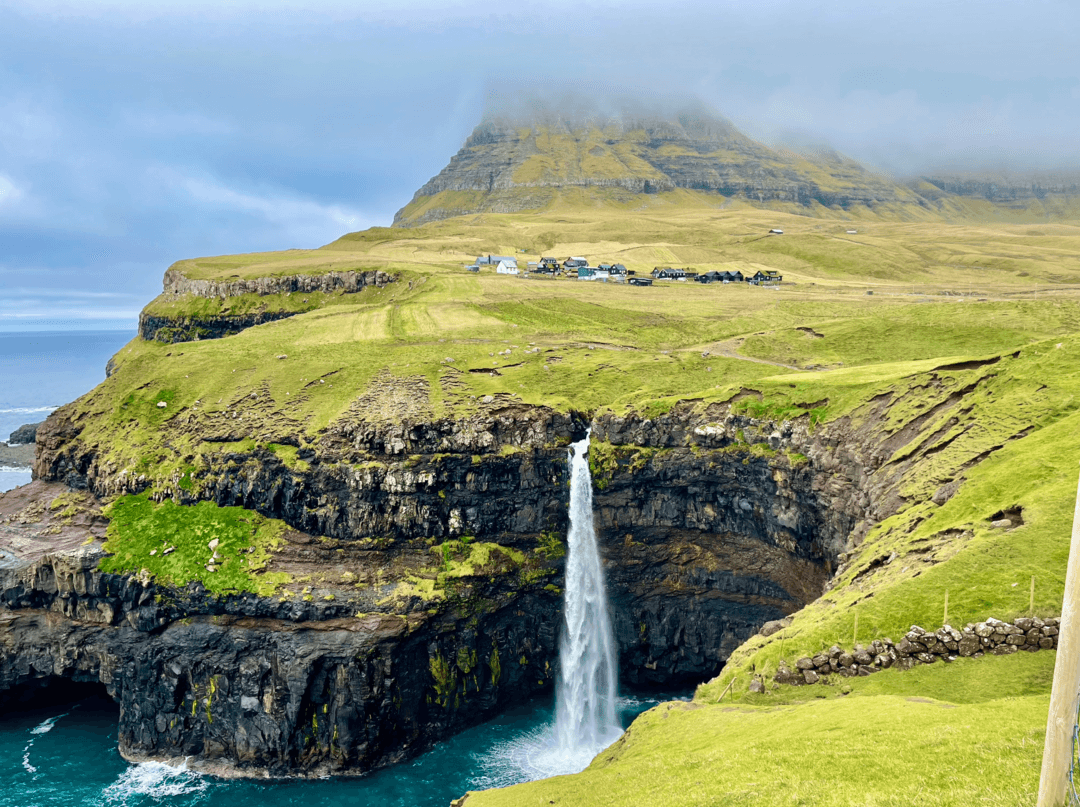
Rising dramatically from the North Atlantic between Iceland, Norway and Scotland, the Faroe Islands offer a landscape that seems almost unreal. This remote archipelago of 18 volcanic islands is a paradise for explorers, photographers and outdoor enthusiasts seeking experiences beyond conventional tourism. With rugged mountains, mysterious sea caves, dramatic fjords and winding coastal trails, the islands deliver an adventure at almost every turn.
One of the most extraordinary natural attractions is Sørvágsvatn, a spectacular lake on the island of Vágar. Positioned above towering ocean cliffs, the lake creates a remarkable optical illusion, appearing to float high above the Atlantic. The dramatic viewpoint overlooking the water has become one of the archipelago's most recognisable landscapes, attracting hikers and photographers from around the world.
For those craving a more challenging adventure, Kalsoy Island offers an unforgettable journey to the famous Kallur Lighthouse. Reaching the lighthouse involves hiking along narrow mountain trails, with steep slopes and breathtaking coastal views along the way. Standing above the rugged cliffs, visitors can experience the full power of the North Atlantic, with waves crashing against the rocky coastline below.
The islands also offer spectacular opportunities for exploring the ocean. Kayaking through sheltered fjords allows visitors to discover hidden coastal landscapes from a completely different perspective. Boat excursions around the towering Vestmanna sea cliffs reveal enormous rock walls, narrow passages and caves carved by centuries of Atlantic waves. The cliffs are also important nesting grounds for seabirds, including puffins during the breeding season.
Mountain enthusiasts can challenge themselves with a climb up Slættaratindur, the highest peak in the Faroe Islands, reaching 882 metres above sea level. The ascent rewards hikers with extraordinary panoramic views across the surrounding islands, dramatic valleys and endless ocean horizons. On clear days, the scenery is particularly breathtaking.
Beyond its natural attractions, the archipelago offers a fascinating cultural experience. Traditional Faroese villages feature colourful houses, grass-covered roofs and a strong connection to fishing and farming traditions. Local communities continue to preserve their distinctive heritage, while traditional dishes featuring seafood and lamb provide visitors with a taste of island life.
However, the growing popularity of the Faroe Islands also raises questions about protecting their fragile environment. Authorities are increasingly focusing on responsible tourism, maintaining hiking trails and ensuring that visitors respect private land, wildlife and local communities. Sustainable travel is particularly important in an ecosystem where changing weather and heavy visitor pressure can affect vulnerable natural areas.
Weather conditions are another challenge for adventurers. Powerful winds, sudden fog and heavy rainfall can transform hiking conditions within minutes. Visitors are advised to check local forecasts, wear suitable outdoor equipment and follow safety guidance before attempting demanding mountain routes.
The Faroe Islands are not a destination for travellers searching for crowded beaches or conventional luxury holidays. Their greatest attraction lies in their untamed beauty, challenging landscapes and extraordinary sense of freedom.
For those willing to explore beyond Europe's familiar travel routes, this North Atlantic wilderness offers something truly special: a chance to stand above the ocean, follow ancient mountain trails and experience a world where nature remains firmly in control.