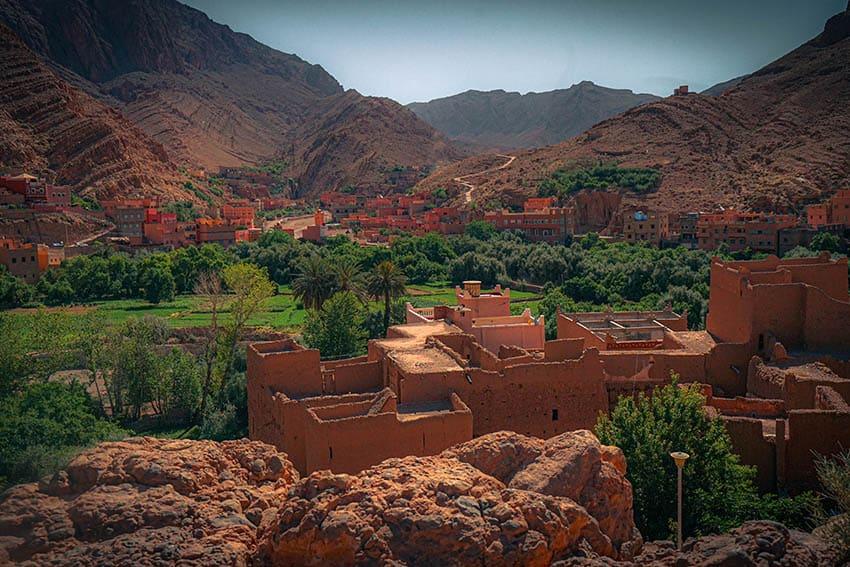
As Morocco attracts record numbers of international visitors, travellers are increasingly looking beyond the country’s famous imperial cities to discover mountain villages, remote valleys and landscapes where traditional life continues alongside a growing tourism industry. In the High Atlas Mountains, the journey offers something different from the familiar image of bustling souks and luxury riads: an opportunity to experience Morocco through its rural communities, dramatic scenery and centuries-old traditions.
The country welcomed 15.7 million tourists by the end of September 2026, a 5 per cent increase compared with the same period last year, according to figures released by Morocco’s tourism authorities. The growth reflects the country’s expanding international connections and its efforts to diversify the experiences available to visitors. Yet beyond the busiest destinations, Morocco’s mountain regions offer a quieter alternative for travellers seeking nature, walking routes and meaningful cultural encounters.
Around the village of Imlil, south of Marrakech, the High Atlas rises into a landscape of steep slopes, walnut groves, terraced fields and stone settlements. The village serves as a starting point for mountain excursions and treks towards Mount Toubkal, North Africa’s highest peak. Visitors can explore on foot with local guides, discover rural communities and experience the changing scenery as paths wind through valleys and mountain passes.
The region’s appeal extends beyond adventure. Traditional guesthouses and mountain lodges offer opportunities to experience local hospitality, regional food and the rhythms of village life. At properties such as Kasbah du Toubkal, tourism has also been linked to community initiatives, demonstrating how visitor spending can support education, healthcare and local livelihoods when projects are developed with residents in mind.
Further into the mountains, the Azzaden Valley offers a contrasting atmosphere, with agricultural villages and quieter trails providing a glimpse of rural life away from the busiest tourist routes. Here, the landscape is not simply a backdrop for photographs. It is a living environment shaped by farming, seasonal weather, local knowledge and generations of community life.
The region is also marked by the consequences of Morocco’s devastating September 2023 earthquake. In some areas, damaged traditional buildings and ongoing reconstruction remain visible reminders of the disaster. Responsible tourism therefore matters: visitors can support locally owned accommodation, hire qualified guides, purchase goods directly from artisans and respect communities rebuilding their homes and livelihoods.
Autumn can be an appealing season for exploring the High Atlas, although conditions vary with altitude. Days may be pleasant for walking, while temperatures fall sharply at night and higher trails can experience difficult weather. Travellers should check local conditions, carry suitable clothing and use experienced guides for demanding routes. Those planning to climb Mount Toubkal should assess their fitness and prepare for altitude, changing temperatures and potentially challenging terrain.
Morocco’s mountain tourism also raises an important question about sustainable growth. As visitor numbers increase, destinations must balance economic opportunity with the protection of fragile landscapes, water resources and local traditions. Tourism can provide income for rural communities, but its long-term benefits depend on responsible development and a fair distribution of that income.
For travellers willing to venture beyond the cities, the High Atlas offers a richer understanding of Morocco’s diversity. Its appeal lies not only in spectacular mountain views, but in the people, traditions and communities that give the landscape its character.
In a country increasingly recognised on the global travel map, the mountains provide a compelling reminder that the most memorable journeys do not always lead to the most famous landmarks. Sometimes, the deeper story of a destination begins along a village path, beside a terraced field or in the welcome offered by a mountain community.